November 16, 2026
Can a Brain Injury Lawyer in Denver Help With Wrongful Death After TBI?
By @charliekoah649
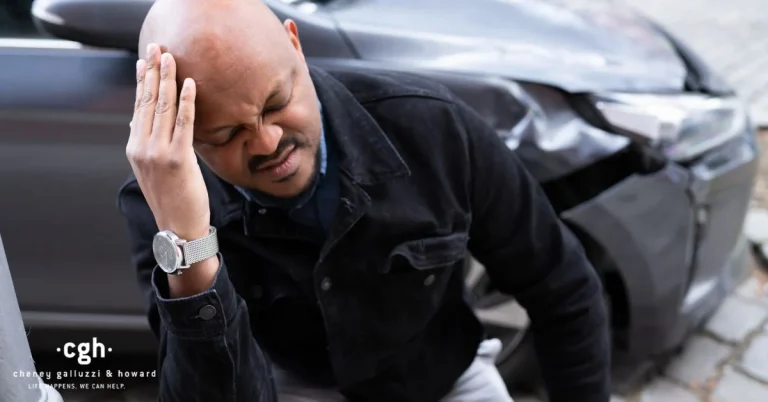
A traumatic brain injury can turn into a wrongful death case in ways families do not expect at first. Some injuries are immediately catastrophic. Others begin with confusion, a brief loss of consciousness, a bad headache, or what looks like a survivable fall or crash. Hours later, swelling, bleeding, or oxygen deprivation changes everything. By the time a family is dealing with funeral arrangements, the legal questions arrive fast and without much mercy.
Can a brain injury lawyer in Denver help with wrongful death after TBI? In many cases, yes, and often in ways that are far more practical than people realize. The right lawyer is not there simply to file paperwork or argue in court. In a serious brain injury death case, the legal work often starts with reconstructing what happened medically, mechanically, and financially, then preserving the evidence before it disappears.
That matters because wrongful death after a traumatic brain injury is rarely a simple story. A person may have survived the initial event but died later from complications. A hospital chart may use technical language that masks the seriousness of the injury. An insurer may suggest the death was caused by age, a prior condition, or a later medical problem rather than the original trauma. Families are grieving while those arguments are already taking shape.
Why TBI death claims are different from other fatal injury cases
Not every wrongful death case is built the same way. A fatal truck collision, a defective product death, and a drowning case all raise distinct proof issues. A TBI death claim has its own set of difficulties because the injury affects the brain, and the brain controls nearly everything else.
In practice, that means the timeline matters more than many people think. If someone strikes their head in a construction fall, a motorcycle crash, a ski accident, an assault, or a nursing home incident, the fatal outcome may not happen at the scene. It may occur after surgery, after days in the ICU, or after a period when doctors were still assessing the extent of the damage. Defense lawyers and insurers often use that gap in time to muddy causation.
A seasoned lawyer looks at the chain of events as a whole. Was there a subdural hematoma? A diffuse axonal injury? Hypoxic brain damage after delayed treatment? Did a missed diagnosis allow swelling or bleeding to progress? Those details are not medical trivia. They often decide whether a wrongful death case is strong or weak.
I have seen families assume that because the death certificate mentions respiratory failure, cardiac arrest, or infection, the death is somehow no longer tied to the original head trauma. That is not necessarily true. Many fatal cases end with a final medical event that was itself triggered by the brain injury. Good legal work means understanding the difference between the immediate cause of death and the underlying cause.
How liability usually develops in these cases
The phrase wrongful death sounds broad, but the legal core is usually straightforward. The surviving family must show that a person or company acted negligently, recklessly, or otherwise wrongfully, and that this conduct led to the fatal injury.
In a Denver-area TBI death case, liability may arise from a car crash on I-25, a fall on unsafe property, a worksite incident, a dangerous sports or recreation event, medical negligence after the head injury, or an assault. Sometimes there are multiple layers of fault. A driver causes the collision, then a hospital fails to timely diagnose the bleed. A property owner ignores a fall hazard, then emergency responders face a delayed extraction in a remote area. Complex cases rarely fit into a single neat category.
This is where a Brain Injury Lawyer Denver families consult can add value early. Brain injury cases are fact-heavy. The lawyer should know what records to request immediately, what imaging studies need review, whether the scene should be inspected, and which experts may be necessary. In an ordinary soft tissue injury claim, delay is frustrating. In a fatal TBI case, delay can destroy proof.
Surveillance footage gets erased. Vehicles are repaired or totaled. Incident reports get rewritten or "clarified." Witness memories shift. Even digital evidence, such as event data recorder information in a vehicle or phone location records, can become harder to obtain with time.
The first legal question is often causation, not sympathy
People tend to assume the biggest challenge in a wrongful death case is persuading others to care. Usually, that is not the problem. Jurors, insurers, and judges understand that a death is serious. The harder question is whether the evidence cleanly connects the conduct at issue to the fatal brain injury.
Take a common example. A 62-year-old slips on a wet surface outside a commercial building, hits his head, goes home insisting he is fine, then deteriorates overnight and dies two days later from an intracranial bleed. The property owner may argue the fall was minor, the warning signs were adequate, or the decedent had blood-thinning medication, high blood pressure, or another medical issue that truly caused the death.
A lawyer handling that case well would not just point to the tragedy and ask for fairness. The lawyer would work through the details. What did the surveillance show about the fall? How long had the hazard existed? What did EMS note about orientation, speech, and pupil response? What did the CT scans reveal? Did the autopsy link the bleed to blunt force trauma? Was there a medical basis to claim the person would likely have survived absent the fall?
Wrongful death after TBI is won or lost in those details.
Medical records tell a story, but only if someone reads them properly
Families often receive hundreds or thousands of pages of records. They assume those records speak for themselves. Usually they do not. Hospital records are written for treatment, not for litigation. They can be incomplete, inconsistent, or full of shorthand that sounds neutral even when the case is serious.
A brain injury lawyer who regularly handles these cases knows where the critical entries tend to be. Neurology consults, neurosurgical notes, Glasgow Coma Scale scores, radiology reports, nursing observations, transfer records, and operative notes can all matter. So can records from the minutes before the injury, especially if the defense wants to argue the person fainted first, was intoxicated, or was already cognitively impaired.
The same is true for autopsy findings. In some cases, the autopsy confirms trauma as the initiating event. In others, it raises further questions that require a specialist to interpret. For example, the presence of cerebral edema, herniation, or specific bleeding patterns may support the trauma narrative, but context still matters. A lawyer is not a doctor, but a good one knows when to bring in the right medical expert and how to ask focused questions.
That distinction matters more than families expect. A general personal injury lawyer may be perfectly competent with a straightforward rear-end collision. A fatal TBI case, especially one involving delayed decline or multiple medical providers, often requires sharper medical analysis from the start.
What damages may be at stake after a fatal brain injury
Wrongful death claims are about accountability, but they are also about the financial harm left behind. When someone dies from a traumatic brain injury, the losses usually extend beyond funeral costs and a final hospital bill.
The economic damage can be severe if the person was working, supporting dependents, or providing household services that now must be replaced. The non-economic loss can be just as significant, though harder to measure. Spouses lose companionship. Children lose guidance and daily presence. Parents lose an adult child whose role in the family may have been larger than outsiders ever saw.
In some cases there is also a separate claim tied to what the injured person endured between the traumatic event and death. If the decedent survived for hours, days, or longer, the evidence may show conscious pain, fear, medical suffering, and profound disruption before death. The exact structure of recoverable damages depends on state law and the procedural posture of the case, which is one reason local counsel matters.
For Denver families, this is another place where a Brain Injury Lawyer Denver clients trust can help sort out what is realistic. Not every category of loss applies in every case. Not every large number floated in a consultation is likely to survive scrutiny. Good lawyers explain both the upside and the limits.
When the death comes after medical treatment
Some of the hardest wrongful death cases after TBI involve medical care. A person suffers a head injury, seeks help, and then dies after an alleged failure in diagnosis or treatment. These cases are emotionally difficult because the family is grieving the original event and the possibility that the death might have been prevented.
Here, the legal issue can become layered. Did a negligent driver cause the initial trauma? Did an emergency department miss a bleed on imaging? Was there a dangerous delay in transfer to a facility with neurosurgical capacity? Did staff fail to monitor signs of rising intracranial pressure? Did medication choices worsen bleeding risk?
Cases like this can involve both the original tortfeasor and one or more healthcare providers. That adds complexity quickly. Different experts are needed. Different legal standards may apply. Different insurers and defense firms enter the case. The medical timeline becomes even more important, because each provider will try to frame the outcome as inevitable before their involvement.
Families are often surprised to learn that these cases take time to evaluate properly. That is not stalling if done honestly. It is the reality of reviewing scans, obtaining complete records, consulting experts, and distinguishing a bad outcome from legally actionable negligence.
What a lawyer actually does in the first months
People hear "wrongful death lawyer" and picture courtroom speeches. Most of the meaningful work happens long before that. In the early phase of a TBI death case, the attorney and team are usually focused on preservation, investigation, and case framing.
That often includes:
- Securing records, imaging, incident reports, and physical evidence before they disappear
- Identifying all potentially liable parties and insurance coverage
- Consulting medical and liability experts to test causation
- Calculating financial losses with enough rigor to survive dispute
- Managing insurer contact so the family does not get boxed into harmful statements
Each of those steps can affect value and viability. For example, in a commercial vehicle crash, an early spoliation letter may help preserve onboard data, driver logs, maintenance records, and internal communications. In a premises case, immediate scene photos and weather records can matter. In a hospital-related case, obtaining the imaging itself, not just the written report, is often essential.
Families should not have to figure that out while planning a memorial service.
The role of local knowledge in Denver cases
There is a practical reason to hire someone familiar with Denver and the surrounding courts, providers, and defense landscape. Brain injury wrongful death claims are built from records and expert testimony, but they are litigated in a real local system with its own tempo and habits.
A lawyer who regularly works in Denver may already know which trauma systems commonly appear in these cases, how local insurers tend to evaluate severe injury claims, what judges expect in terms of motion practice, and which experts communicate well to Front Range juries. That kind of knowledge is not flashy, but it affects strategy.
Colorado also has its own wrongful death framework, deadlines, and damages rules. Those are too important to treat casually. Families should never assume that because they have a clear moral case, the legal case can wait. Missing a filing deadline or suing under the wrong theory can do irreversible harm.
What families should bring to the first meeting
The best consultations are not always the longest ones. They are the ones where the lawyer receives enough information to spot the key issues early. Families do not need a perfect file, but a few items help a great deal.
If possible, bring the death certificate, any incident or crash report, hospital discharge or transfer papers, names of providers, photographs, insurance information, and any communication from insurers or opposing parties. If there was a workplace event, bring employer information and any internal reporting documents. If there was video, say so immediately, even if you do not have a copy.
Just as important, bring the human story. Lawyers need to understand who the person was before the injury. Work history, family role, habits, health baseline, and future plans all matter. A decedent is not a chart entry. In one case, what looked on paper like the death of a retired man with modest income turned out to be the loss of the primary caregiver for a disabled spouse and the daily support for grandchildren. That changed how the damages story needed to be told.
Not every fatal brain injury claim is a strong lawsuit
This is where candor matters. Some tragic deaths do not produce viable legal claims. A severe TBI can happen without actionable negligence. A fall may have no provable hazard behind it. A single-vehicle crash may reveal no defect, no dangerous road condition, and no other responsible party. Medical providers may have acted appropriately despite a terrible outcome.
A trustworthy lawyer says that plainly.
There are also cases where liability exists but proof is thin, or where the cost of expert work is high compared to the likely recovery. That does not make the loss less real. It means the legal system is limited and sometimes unsatisfying. Families deserve an honest assessment, not a sales pitch.
On the other hand, some families are told too quickly that they have "just a standard death case" when the facts suggest something much more significant. Delayed recognition of a brain bleed, poor post-fall monitoring, or a reckless driver with commercial coverage can change the picture dramatically. Early case review by someone who understands brain injury medicine can make the difference between a dismissed concern and a well-supported claim.
Questions worth asking before hiring counsel
Choosing a lawyer after a TBI death is not just about credentials or advertising. It is about fit, rigor, and the ability to handle a medically demanding case.
A few useful questions include:
- How many serious brain injury or wrongful death cases have you handled recently?
- Who will review the medical records and imaging, and when?
- What experts do you typically use in TBI death cases?
- How do you evaluate causation when death occurs days or weeks after the trauma?
- What obstacles do you see in this case right now?
Those questions tend to reveal whether the lawyer is thinking concretely or speaking in generalities. Families do not need a guaranteed outcome. They need a realistic plan.
Settlement pressure can come early, and it is not always a good sign
Insurers sometimes move quickly after a fatal case, especially if they sense the family is overwhelmed and under financial strain. An early settlement offer can feel like relief. Sometimes it is fair. More often, it is a move to close the file before the full medical picture and long-term losses are understood.
That is especially risky in TBI death cases because the valuation may depend on records and expert opinions that are not yet assembled. Once a release is signed, the case is usually over. There is no second chance when an overlooked claim, additional defendant, or stronger causation opinion surfaces later.
This does not mean every case should be litigated aggressively to trial. Plenty of strong wrongful death cases resolve through settlement. The point is timing. A family should understand what https://edgaruelt035.hexaforgey.com/posts/brain-injury-lawyer-denver-for-premises-liability-head-injury-claims it is giving up before accepting money, particularly when the death followed a medically complex brain injury.
The emotional reality behind the legal process
Families dealing with a wrongful death after TBI often describe a specific kind of shock. The person they loved may have looked like themselves for a period after the injury, yet their condition changed rapidly or unpredictably. There is often guilt over missed symptoms, confusion over medical language, and anger at how preventable the event seems in hindsight.
A good lawyer cannot fix that. What they can do is remove pressure points. They can stop insurers from calling constantly. They can gather records that families are too exhausted to chase. They can explain why a subdural hematoma may worsen over time, why "stable" in a chart does not always mean safe, and why a delayed death can still be legally tied to the original negligence.
That practical support is part of the answer to the original question. Yes, a brain injury lawyer in Denver can help with wrongful death after TBI, but the real value is not just filing a lawsuit. It is building a case carefully enough that the death is understood for what it was, a human loss with a medical story, a legal cause, and consequences that deserve a serious response.
For families facing that kind of loss, speed matters, but so does precision. The strongest cases are usually the ones investigated early, documented thoroughly, and evaluated by counsel who understands that brain injury litigation is its own discipline, not just another injury file with higher damages.
CGH Injury Lawyers
Address: 2701 Lawrence St Ste 201, Denver, CO 80205
Phone number: +17206698062
FAQ About Brain Injury Lawyer Denver
What to avoid after brain injury?
After a brain injury (such as a concussion or traumatic brain injury), protecting your brain from physical, mental, and chemical stress is critical to proper healing.
What is a brain injury lawyer?
A brain injury lawyer (or Traumatic Brain Injury / TBI lawyer) is a personal injury attorney who represents individuals who have suffered concussions, contusions, hemorrhages, or other forms of brain trauma caused by someone else's negligence, recklessness, or intentional harm.
Can traumatic brain injury be cured?
A traumatic brain injury (TBI) cannot be strictly "cured" in the sense of reversing permanent cell death or restoring the brain to its exact pre-injury state. However, the brain possesses a remarkable ability to heal and adapt.
❧